Understanding ADHD: Causes and Modern Perspectives
Quick Summary
ADHD is a neurodevelopmental condition driven by genetics and brain chemistry. Research highlights dopamine regulation, prefrontal cortex differences, and hereditary patterns as primary factors. This guide covers what science currently tells us about ADHD causes.
한국어 요약 보기
ADHD는 유전과 뇌 화학에 기반한 신경발달 장애입니다. 최신 연구에 따르면 도파민 조절, 전두엽 피질 차이, 유전 패턴이 주요 요인으로 지목됩니다. 이 가이드에서는 ADHD 원인에 대한 현재 과학적 근거를 다룹니다.
ADHD affects approximately 4.4% of adults in the United States. The condition extends well beyond simple attention difficulty. Neuroscience research has fundamentally changed how clinicians understand this disorder.
Genetics and Hereditary Patterns
 Source: Pexels
Twin studies consistently demonstrate ADHD heritability rates near 74%. Children of parents with ADHD carry a significantly elevated risk of developing the condition. Genes affecting dopamine transporters, notably DAT1 and DRD4, appear frequently in clinical research. These variants shape how the brain handles reward signals and sustained focus.
How Dopamine Drives Attention
 Source: Pexels
Dopamine governs motivation, reward processing, and attention regulation. People with ADHD typically show lower baseline dopamine activity in critical brain areas. This deficit makes sustaining focus on low-stimulation tasks considerably harder. Stimulant medications work by increasing dopamine availability at neural synapses. The National Institute of Mental Health has confirmed this neurochemical foundation through multiple studies.
Brain Structure and Development
 Source: Pexels
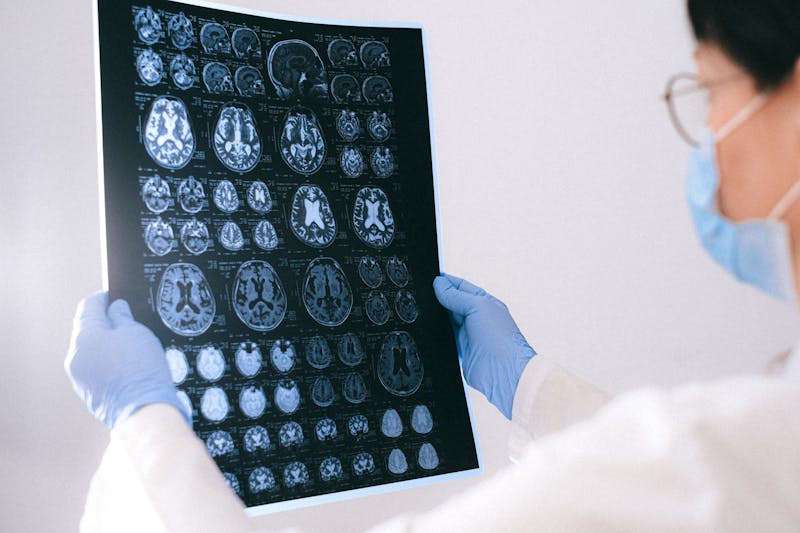
Neuroimaging reveals measurable structural differences in ADHD brains. The prefrontal cortex, responsible for executive function, matures more slowly in affected individuals. Basal ganglia volume differences also appear consistently across large-scale MRI studies. These variations directly impact planning, impulse control, and working memory.
Environmental Triggers
 Source: Pexels
Prenatal tobacco exposure raises ADHD risk by roughly 2.7 times. Low birth weight and premature delivery correlate with higher diagnosis rates. Early childhood lead exposure has been flagged across several epidemiological studies. These environmental factors do not cause ADHD independently. They interact with genetic predisposition to shape symptom severity.
Helpful Video
Watch on YouTube Source: ADHD & How Anyone Can Improve Their Focus | Huberman Lab Podcast #37
Stanford neuroscientist Dr. Andrew Huberman explains the neurobiology of ADHD, covering dopamine pathways, attention mechanisms, and evidence-based treatment approaches.
What This Means for You
ADHD is a documented neurodevelopmental condition supported by decades of research. It is not a behavioral choice or a result of inadequate parenting. If you suspect ADHD, consult a licensed professional for a thorough clinical evaluation.
Related Articles
ADHD Coaching vs Therapy: Cost Comparison and What Actually Works
Compare ADHD coaching ($75-$200/session) vs CBT therapy ($100-$250/session). See insurance coverage differences, clinical evidence, and which option fits your needs.
DiagnosisADHD Diagnosis Cost Without Insurance: What You'll Actually Pay in 2026
ADHD diagnosis without insurance costs $149 to $7,000+ in 2026. Compare psychiatrist, psychologist, telehealth, FQHC, and university clinic prices with step-by-step guidance.
DiagnosisAdult ADHD Testing: What to Expect and How Much It Costs in 2026
A complete guide to adult ADHD testing in the US. Learn what each evaluation step involves, who can diagnose, CPT billing codes, red flags, and cost by assessment type.