Adult ADHD Prescriptions Have Surged Since the Pandemic: What It Means for Costs
Quick Summary
ADHD stimulant prescriptions increased 30% from 2018 to 2022, with rates more than doubling among adults aged 25-34. Telehealth expansion during COVID fueled the surge, creating both better access and new cost pressures for patients.
한국어 요약 보기
ADHD 자극제 처방이 2018~2022년 사이 30% 증가했으며, 25~34세 성인은 2배 이상 늘었습니다. 팬데믹 중 텔레헬스 확대가 접근성을 높였지만 비용 부담도 커졌습니다.
More adults than ever are being diagnosed and treated for ADHD. Prescription data from the CDC reveals a sharp acceleration that began during the COVID-19 pandemic. This trend has significant implications for medication costs and supply.
The Numbers Behind the Surge
 Source: Pexels
Prescriptions for ADHD stimulants increased 30% from 2018 to 2022, according to a CDC study published in MMWR. The percentage of commercially insured Americans filling stimulant prescriptions rose from 3.6% in 2016 to 4.1% in 2021. Among adults aged 25 to 34, stimulant prescription rates more than doubled between 2011 and 2021. Males in this age group went from 234 to 465 prescriptions per 1,000 people, while females went from 323 to 653.
Who Is Driving the Increase
 Source: Pexels
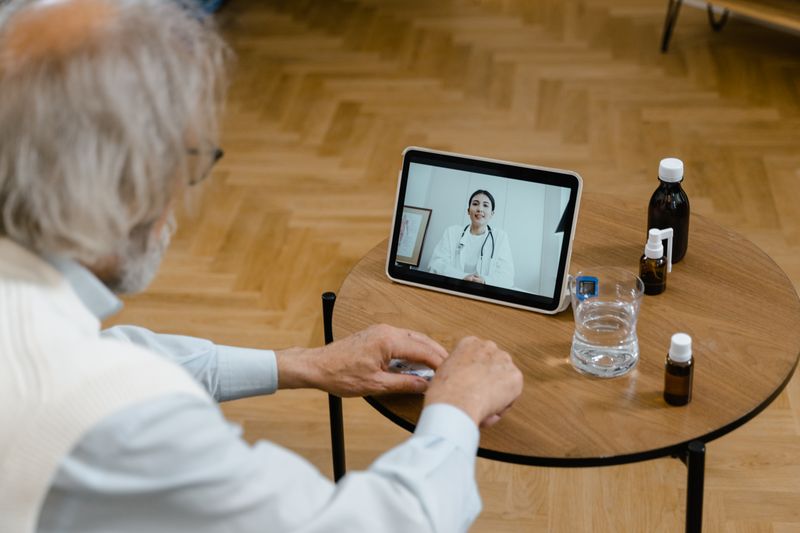
Before the pandemic, 48% of new ADHD prescription recipients were female. During the pandemic, that number jumped to 59%. Women aged 25 to 34 showed the fastest growth in stimulant prescription fills. Telehealth policies enacted during COVID expanded access, allowing remote prescriptions for controlled substances.
How Telehealth Changed the Landscape
 Source: Pexels
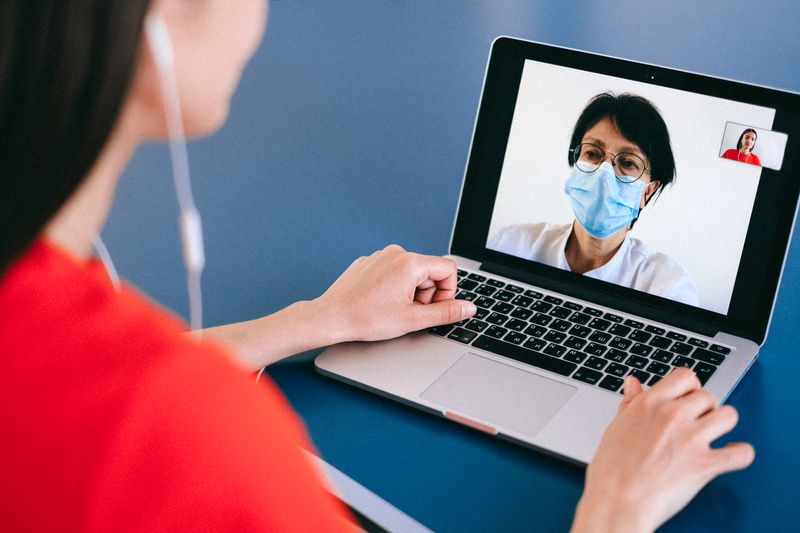
COVID-era policies allowed clinicians to prescribe ADHD stimulants via telehealth for the first time at scale. This removed geographic barriers, especially for patients in rural areas with limited specialist access. A CDC report found that 46% of adults with ADHD now receive care through telehealth. The convenience factor has made diagnosis more accessible, but also raised questions about prescription oversight.
The Cost Side Effect
 Source: Pexels
More prescriptions mean more demand, which has contributed to the ongoing medication shortage since 2022. When preferred generics are unavailable, patients often pay significantly more for alternatives. Adults with ADHD already face average healthcare costs of $4,929 to $5,651 annually, nearly double the rate for those without the condition. Rising demand combined with DEA production quotas creates a supply-demand gap that keeps prices elevated.
What This Means for Patients
The surge in prescriptions reflects better awareness and improved access, which is a positive development. However, patients should prepare for potential medication availability challenges. Discussing generic alternatives and backup options with your prescriber can help manage costs. Checking pharmacy stock through tools like GoodRx before each refill can save time and money.
Data cited from CDC MMWR (2023), "Trends in Stimulant Prescription Fills Among Commercially Insured Children and Adults, 2016–2021" (3.6% to 4.1% data); PMC prescription trend studies (30% increase, age-group doubling data); CDC NCHS Rapid Surveys System (2023) (telehealth usage data). This article is for informational purposes only and does not constitute medical advice.
Related Articles
ADHD Medication Costs: What Americans Actually Pay in 2026
Real ADHD medication costs in 2026: brand vs generic pricing, insurance tiers, Medicaid state differences, patient assistance programs, FSA/HSA tips, and FAQs.
MedicationVyvanse vs Adderall Cost: Comparing ADHD Medication Prices in 2026
Compare Vyvanse and Adderall costs in 2026. Generic Adderall starts at $17 with GoodRx, while generic Vyvanse runs $228+. See pricing, clinical differences, and savings tips.
MedicationADHD Medication Shortage in 2026: What Patients Need to Know
The ADHD medication shortage continues in 2026. Learn which drugs are affected, why supply remains limited, and cost-saving alternatives for patients.