ADHD Diagnosis Cost Without Insurance: What You'll Actually Pay in 2026
Quick Summary
ADHD diagnosis without insurance ranges from $149 to $7,000+ depending on evaluation type and provider. Telehealth platforms like Done and Klarity start around $149–$199. University clinics and Federally Qualified Health Centers (FQHCs) offer sliding-scale fees as low as $20. This guide breaks down every option by cost, process, and who each is best for.
한국어 요약 보기
보험 없이 ADHD 진단 비용은 평가 유형과 제공자에 따라 $149~$7,000 이상입니다. Done, Klarity 같은 텔레헬스 플랫폼은 $149~$199부터 시작하며, 대학 클리닉과 연방지정 헬스센터(FQHC)는 소득 기반 $20부터 이용 가능합니다. 이 가이드는 비용, 절차, 적합한 대상별로 모든 옵션을 정리합니다.
An estimated 15.5 million U.S. adults — about 6% of the adult population — have a current ADHD diagnosis, according to a CDC/NCHS survey conducted in 2023. Without insurance coverage, the cost of getting diagnosed can feel like a barrier before treatment even begins. Evaluation costs span a wide range — from $149 for a streamlined telehealth session to over $7,000 for comprehensive neuropsychological testing. Understanding each option, what it includes, and who it is best suited for helps you make an informed decision without overspending.
What Is Actually Included in an ADHD Diagnosis?
 Source: Pexels
Not every ADHD evaluation is equal, and the price difference largely reflects how thorough the assessment is. A basic clinical interview — which a psychiatrist or nurse practitioner conducts — is the minimum required to make a diagnostic determination. During this session, the clinician asks about your symptom history, childhood behavior, academic performance, and current functional impairment. Most telehealth platforms and general psychiatry practices stop here, which keeps costs manageable.
Rating Scales and Behavioral Questionnaires
 Source: Pexels
Standardized rating scales such as the Conners Adult ADHD Rating Scales (CAARS) or the Adult ADHD Self-Report Scale (ASRS) are commonly included in mid-level evaluations. These tools quantify symptom frequency and severity against population norms. Collateral input — questionnaires completed by a spouse, parent, or supervisor — can strengthen diagnostic accuracy at no additional cost. Rating scales alone do not constitute a full evaluation, but they are required by many clinicians before prescribing stimulant medication.
Neuropsychological Testing
 Source: Pexels
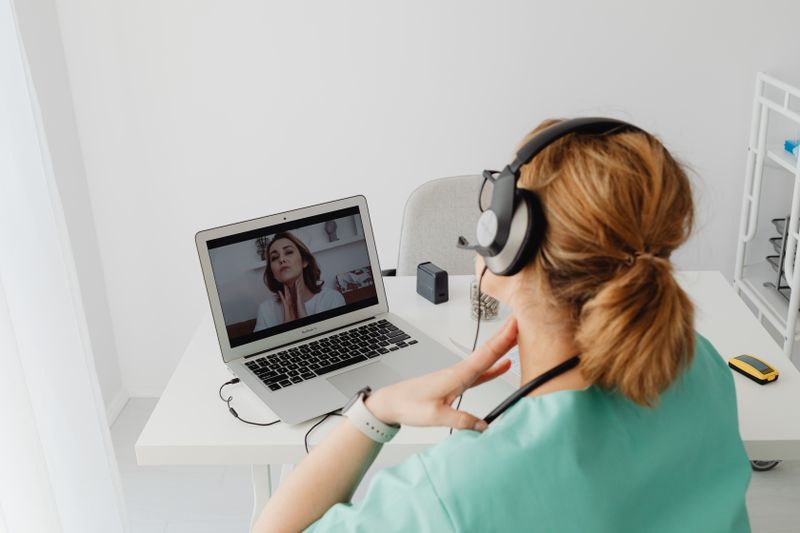
A full neuropsychological battery goes far beyond symptom questionnaires. It measures working memory, processing speed, sustained attention, executive function, and cognitive flexibility using standardized tests administered by a licensed psychologist. According to the American Psychological Association, a full neuropsychological evaluation typically takes six to twelve hours across multiple sessions. This level of testing is essential when ruling out learning disabilities, traumatic brain injury, or comorbid conditions such as anxiety or autism spectrum disorder. It is rarely required for an initial ADHD diagnosis in adults, but it is the most defensible form of documentation for academic accommodations or disability claims.
Cost Comparison: Every Provider Type Side by Side
 Source: Pexels
The table below compares the five main evaluation pathways by typical out-of-pocket cost, wait time, and best use case.
| Provider Type | Typical Cost (Uninsured) | Average Wait Time | Best For |
|---|---|---|---|
| Psychiatrist (in-person) | $300 – $800 per session | 2 – 8 weeks | Medication management + diagnosis |
| Psychologist (full evaluation) | $1,000 – $2,500 | 4 – 12 weeks | Diagnosis + comorbidity screening |
| Neuropsychologist (full battery) | $2,000 – $7,000 | 6 – 16 weeks | Complex cases, legal/school documentation |
| Telehealth platform | $149 – $400 | Same day – 1 week | Adults needing fast, low-cost diagnosis |
| University training clinic | $200 – $800 | 4 – 10 weeks | Budget-conscious patients near a research university |
| FQHC / Community Health Center | $20 – $250 (sliding scale) | 1 – 6 weeks | Low-income individuals and families |
Cost data is drawn from FAIR Health Consumer, Psychology Today provider directory, and published fee schedules from individual clinics. Prices vary significantly by region; urban markets in California, New York, and Massachusetts tend to run higher than national averages.
Telehealth Diagnosis Platforms: Real Price Ranges
Source: Pexels
Telehealth platforms expanded significantly after the DEA extended telemedicine prescribing flexibilities for controlled substances through 2026 (DEA/HHS, December 2025), and several now offer ADHD-specific evaluation pathways. These services conduct clinical interviews via video with licensed prescribers, typically a psychiatrist or psychiatric nurse practitioner. They are best suited for adults who present with classic ADHD symptoms and do not require complex differential diagnosis.
Done charges $199 for the first month, which includes the initial evaluation, followed by a $79 monthly membership that covers ongoing prescription management (Done). The evaluation is completed by a board-certified clinician in a single video session.
Klarity charges $149 for an initial 30-minute evaluation conducted by a licensed prescriber, with a prescription issued if clinically appropriate (Klarity). Follow-up visits are billed separately at approximately $59 each, with no ongoing subscription required.
ADHD Online (Mentavi Health) provides a diagnostic evaluation for $199, which includes a clinician-reviewed assessment and a written diagnostic report (ADHD Online). The platform uses objective computerized attention testing alongside clinical review, though it does not prescribe medication directly.
These platforms do not perform neuropsychological testing and are not appropriate substitutes when complex cognitive assessment is needed. For straightforward adult ADHD cases, however, they represent a legitimate and affordable first step endorsed by licensed professionals.
Community Health Centers and Federally Qualified Health Centers (FQHCs)
 Source: Pexels
Federally Qualified Health Centers are federally funded clinics required by law to provide services on a sliding-fee scale based on household income and family size (HRSA, 2024). As of 2024, there are over 1,400 FQHC organizations operating more than 16,200 service delivery sites across the United States (HRSA Health Center Program data). Patients living at or below 100% of the federal poverty level are eligible for the lowest fee tier, which can bring a psychiatric visit down to $20–$40. Patients between 101% and 200% of the poverty level pay on a sliding scale — typically $40–$150 per visit.
To find an FQHC near you, use the HRSA Health Center Finder. Most centers offer primary care, behavioral health, and in some cases psychiatric services under one roof. Not all FQHCs have psychiatrists on staff, but most can connect you to a mental health provider who can initiate or refer an ADHD evaluation.
University Training Clinics: A Reliable Low-Cost Option
Source: Pexels
Graduate training clinics at accredited universities offer psychological evaluations at substantially reduced rates because doctoral students conduct the assessments under licensed supervision. Fees typically range from $200 to $800 for a full evaluation, compared to $1,500 or more at a private practice. The trade-off is wait time — training clinics often have waitlists of four to ten weeks and may require more sessions to complete the evaluation. However, the quality of the final report is typically equivalent to that of a private provider, and the supervising psychologist signs off on all diagnoses.
To find a university clinic, search for doctoral psychology programs in your state and look for their affiliated psychology training clinic or assessment center. Many large state universities — including the University of Texas, Ohio State, and the University of Michigan — operate publicly accessible training clinics.
Step-by-Step Guide to Getting Diagnosed Without Insurance
Source: Pexels
Getting an ADHD diagnosis without insurance requires more planning than simply booking an appointment, but the path is clear and navigable.
Step 1: Complete a free screener. The Adult ADHD Self-Report Scale (ASRS), developed with the World Health Organization, is a validated 18-question screener available at no cost. A positive result does not confirm ADHD, but it documents your symptoms before a formal evaluation.
Step 2: Decide which evaluation type fits your situation. If you need a diagnosis quickly and primarily to access medication, a telehealth platform evaluation ($149–$199) is the most cost-efficient starting point. If you need documentation for academic accommodations, workplace disability support, or have been told you may have co-occurring learning disabilities, a full psychological or neuropsychological evaluation is necessary.
Step 3: Check income-based program eligibility. Before paying out of pocket, check whether you qualify for Medicaid in your state at healthcare.gov. As of 2025, 41 states and the District of Columbia have expanded Medicaid under the Affordable Care Act (KFF).
Step 4: Contact FQHCs and request a sliding-scale intake. Use the HRSA Health Center Finder to identify the three closest FQHCs. Call each one directly, confirm they provide mental health or behavioral health services, and ask about sliding-fee eligibility. Bring proof of income (pay stubs or a tax return) to your first appointment.
Step 5: Ask about payment plans. Private psychiatrists and psychologists frequently offer payment plans for full evaluations, particularly for uninsured patients. Some practices offer a reduced cash-pay rate for self-pay patients who pay in full at time of service — always ask before assuming the listed rate is final.
Step 6: Get your documentation and seek ongoing care. Once you receive a diagnosis, request a written diagnostic report. This document is essential for medication prescriptions, insurance prior authorization, academic accommodations under the Americans with Disabilities Act, and workplace accommodations.
Sliding Scale Providers and How to Find Them
 Source: Pexels
Sliding-scale fees mean that a provider charges you based on your ability to pay rather than a fixed rate. Many private practitioners offer this arrangement, though it is rarely advertised publicly.
The most direct way to find sliding-scale providers is through Open Path Collective, a network of licensed therapists and psychologists who offer sessions between $40 and $70 for individuals who earn less than $100,000 annually. Psychology Today's therapist directory allows you to filter by "sliding scale" under the financial options field. TherapyDen also has a dedicated filter for income-based fees.
When contacting a provider directly, use this language: "I am uninsured and am wondering if you offer a sliding-scale or reduced fee for self-pay patients." Most clinicians respond positively when asked professionally and directly.
State-Specific Low-Cost Options
Source: Pexels
Several states operate programs that provide low- or no-cost mental health services regardless of insurance status.
California: The Department of Health Care Services funds county mental health plans that provide services on a sliding scale. Residents can call 1-800-854-7771 to be connected to their county mental health line.
New York: The New York State Office of Mental Health maintains a directory of community mental health clinics with sliding-scale fees statewide.
Texas: The Texas Health and Human Services system funds Local Mental Health Authorities (LMHAs) in every region of the state, many of which serve uninsured adults at low cost.
Massachusetts: The Massachusetts Behavioral Health Partnership funds community mental health centers that offer income-based services across the state.
Florida: The Florida Department of Children and Families operates a network of community mental health centers accepting uninsured patients on a sliding scale.
For all other states, the SAMHSA Behavioral Health Treatment Locator is the most comprehensive national database of publicly funded and sliding-scale mental health services.
Helpful Video
Watch on YouTube Source: Failing at Normal: An ADHD Success Story | Jessica McCabe | TEDxBratislava
Jessica McCabe shares her personal ADHD diagnosis journey and explains how understanding the condition — and finally getting properly evaluated — changed the trajectory of her life and career.
Frequently Asked Questions
Source: Pexels
Can a primary care doctor diagnose ADHD?
Yes, primary care physicians (PCPs) are legally permitted to diagnose ADHD in adults and can prescribe stimulant medications in most states. A PCP visit for ADHD assessment typically costs $150–$300 without insurance, which is lower than a psychiatrist. However, PCPs vary widely in their familiarity with adult ADHD diagnostic criteria, and some prefer to refer complex cases to a specialist. If your PCP is reluctant, requesting a referral to a psychiatrist or psychologist is entirely appropriate.
Is a telehealth ADHD diagnosis legitimate?
Yes, a diagnosis issued by a licensed psychiatrist or psychiatric nurse practitioner via telehealth is clinically and legally valid in all 50 states. Telehealth prescribers must follow the same diagnostic standards as in-person clinicians and are bound by the same professional licensing requirements. The DEA extended telemedicine prescribing flexibilities for controlled substances through December 31, 2026, allowing stimulant medications to be prescribed via telemedicine without a prior in-person visit in most states (DEA press release, December 2025).
What is the cheapest way to get an ADHD diagnosis?
The lowest-cost formal diagnosis pathway is typically a telehealth platform evaluation (starting at $149), followed by an FQHC visit on a sliding-scale fee. Free online screeners such as the ASRS are not diagnoses but can help you decide whether to pursue a formal evaluation. If your income qualifies, Medicaid covers psychiatric evaluations at no out-of-pocket cost in expansion states.
Do I need a neuropsychological test to be diagnosed with ADHD?
No. The DSM-5 diagnostic criteria for ADHD require a clinical interview and evidence of symptoms across multiple settings — they do not require neuropsychological testing. Neuropsychological testing is recommended when there is diagnostic uncertainty, suspected co-occurring learning disabilities, or when documentation is needed for legal or academic purposes. For most straightforward adult ADHD cases, a clinical interview with standardized rating scales is sufficient.
How long does an ADHD evaluation take?
A telehealth clinical interview typically takes 30 to 60 minutes. An in-person psychiatric evaluation takes 60 to 90 minutes. A psychological evaluation with cognitive testing takes 3 to 6 hours across one or two sessions. A full neuropsychological battery can take 6 to 12 hours spread across multiple appointments, with an additional two to four weeks for report preparation.
Conclusion
An ADHD diagnosis does not require a large out-of-pocket investment if you know where to look. Telehealth platforms provide clinically valid assessments starting at $149 for straightforward adult cases. FQHCs and university training clinics offer in-person evaluations at substantially reduced rates for those who qualify or are willing to wait. State-funded mental health programs and SAMHSA's national treatment locator remain the most reliable pathways for uninsured individuals with limited financial resources. Start with a free ASRS screener, verify your Medicaid eligibility, and then select the provider type that best matches your clinical needs and budget.
Cost figures cited in this article are estimated ranges compiled from publicly available sources including FAIR Health Consumer, provider directories, published fee schedules, and telehealth platform pricing pages as of March 2026. They are not guaranteed prices and are subject to change. Always verify current costs directly with your provider. This article is for informational purposes only and does not constitute medical or legal advice.
Related Articles
ADHD Coaching vs Therapy: Cost Comparison and What Actually Works
Compare ADHD coaching ($75-$200/session) vs CBT therapy ($100-$250/session). See insurance coverage differences, clinical evidence, and which option fits your needs.
DiagnosisAdult ADHD Testing: What to Expect and How Much It Costs in 2026
A complete guide to adult ADHD testing in the US. Learn what each evaluation step involves, who can diagnose, CPT billing codes, red flags, and cost by assessment type.
DiagnosisChild ADHD Evaluation Cost: What Parents Should Know in 2026
How much does a child ADHD evaluation cost? From free school-based testing to $5,000 neuropsych assessments, here's a parent's guide to costs and options.